Common Misconceptions About LVP Flooring Buyers Should Know
Luxury vinyl plank flooring has become a go-to option for homeowners who want the appearance of hardwood without the upkeep challenges or high cost. It is widely available at nearly every local flooring store, which has contributed to its rapid rise in popularity among new home buyers. Despite this accessibility, many people still approach LVP with incorrect assumptions that can lead to disappointing results or mismatched expectations.
According to Fixr, vinyl flooring is one of the fastest-growing segments in the flooring industry, with projected growth of 8.75% by 2029. This growth reflects how frequently homeowners are turning to vinyl-based products when upgrading their spaces. As more consumers visit a local flooring store to explore options, understanding what LVP actually offers becomes increasingly important before making a purchase decision.
Misunderstanding the Composition of LVP Flooring
Many buyers assume LVP is similar to laminate because both can resemble natural wood at first glance. However, LVP is made entirely from vinyl layers, while laminate typically has a wood-based core that reacts differently to moisture. When shoppers walk into a local flooring store, this confusion often leads them to overlook how fundamentally different these materials are in performance, especially in wet or humid environments.
Another misconception involves how LVP is structured. It is built in layers that serve distinct purposes, including a protective wear layer, a printed design layer, and a dense core that adds stability. Each layer contributes to durability, visual realism, and comfort underfoot. Without understanding this layered construction, buyers may underestimate why LVP performs differently from other flooring options they may see at a local flooring store.
LVP also comes in different installation formats, such as click-lock and glue-down systems, which influence performance and application. Click-lock systems are often chosen for quicker installation, while glue-down versions provide a more permanent bond. Homeowners comparing samples at a local flooring store sometimes overlook how installation type affects long-term stability, maintenance, and replacement ease.
Overestimating LVP Durability
One of the most common misunderstandings about LVP is the belief that it is completely resistant to wear and damage. While it does hold up well against everyday foot traffic, it is not indestructible. Scratches from heavy objects or sharp debris can still occur, even in high-quality products purchased from a local flooring store.
Another area of confusion involves water resistance. LVP handles spills and moisture far better than hardwood or laminate, but it is not fully waterproof in every situation. Prolonged exposure to standing water can still affect seams and edges over time. This distinction is often overlooked when customers discuss flooring options at a local flooring store, leading to unrealistic expectations about long-term performance in wet areas.
Temperature changes also play a role in how LVP behaves over time. Extreme heat or cold can cause slight expansion or contraction, which may lead to minor gaps if not properly installed. While this does not usually create major issues, it is an important consideration for homeowners in climates with seasonal shifts. A knowledgeable associate at a local flooring store can help explain how environmental conditions influence flooring behavior.
Under Appreciating the Variety of Styles Available
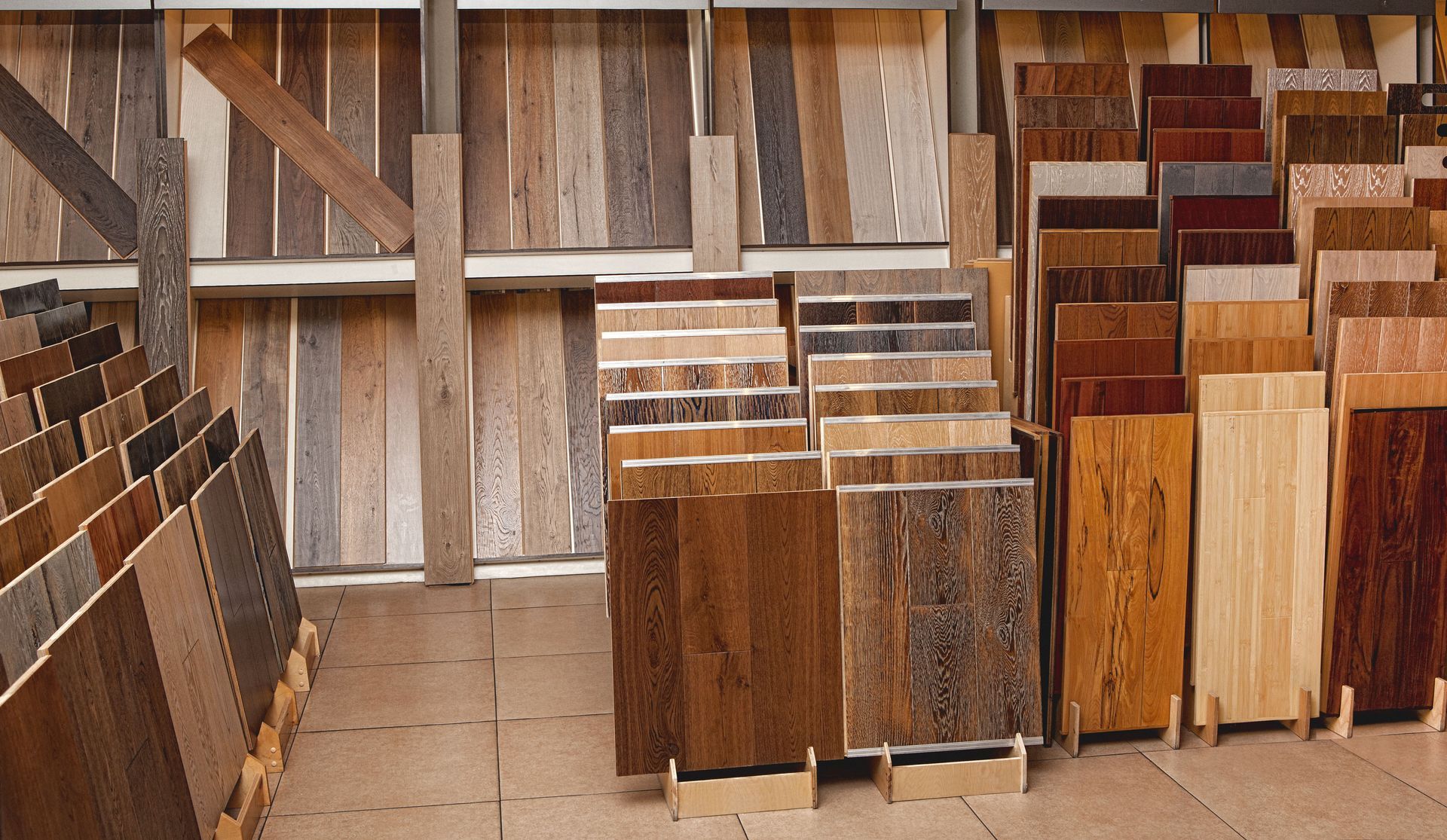
Many buyers are surprised by just how many design options LVP offers. It is no longer limited to basic wood patterns, as modern manufacturing allows for a wide range of colors, textures, and finishes. Visiting a local flooring store often reveals options that mimic stone, reclaimed wood, and even contemporary abstract styles that suit different interior design preferences.
Texture is another element that is often overlooked. Some LVP products feature embossed surfaces that closely replicate natural wood grain, while others offer smooth or matte finishes for a more modern look. A local flooring store typically showcases these differences so buyers can compare how each option feels and looks in person.
Design trends also play a major role in LVP selection. Some styles lean toward rustic aesthetics with distressed visuals, while others focus on sleek, minimalistic appearances. This range allows LVP to fit into both traditional and modern homes. Shoppers exploring a local flooring store often find that LVP provides more design flexibility than they initially expected, especially when compared to hardwood alternatives.
Ignoring Installation Challenges and Options
Installation is another area where misunderstandings frequently occur. Many homeowners assume all LVP is simple enough for DIY installation, but the process can vary depending on product type and room conditions. While click-lock systems are designed for easier installation, glue-down options require more preparation and precision. This is something often explained when customers consult a local flooring store before starting a project.
Subfloor preparation is also critical to long-term performance. Any unevenness, debris, or moisture issues can affect how LVP sits and performs over time. Skipping this step can lead to visible imperfections or reduced lifespan. When buyers consult a local flooring store, they often learn that preparation is just as important as the product itself.
Transition areas between rooms present another challenge. Changes in flooring height or direction may require transition strips for a smooth visual flow. Without proper planning, these areas can look uneven or unfinished. A local flooring store can guide matching materials and accessories to create a more cohesive installation throughout the home.
Assuming LVP is Only Suitable for Residential Use
Many people assume LVP is only designed for homes, but it is also widely used in commercial environments. Its durability and low maintenance needs make it a practical option for offices, retail spaces, and hospitality settings. Businesses often source materials from a local flooring store because of its balance between appearance and performance.
LVP also performs well in moisture-prone environments such as basements, kitchens, and laundry rooms. Unlike hardwood, it does not easily warp when exposed to humidity or occasional spills. This versatility makes it appealing for both residential and commercial applications. A local flooring store often highlights these benefits when showing customers where LVP can be installed safely.
Miscalculating the Cost and Value of LVP Flooring
Cost is often misunderstood when it comes to LVP. While the upfront price may seem moderate compared to some flooring types, the long-term value is where it stands out. Reduced maintenance and fewer replacement needs contribute to overall savings over time. Shoppers comparing options at a local flooring store often reassess initial cost concerns once long-term value is considered.
Maintenance requirements also influence perceived value. LVP typically only requires regular sweeping and occasional mopping, which reduces ongoing expenses. Unlike materials that need refinishing or special treatments, LVP remains relatively simple to care for. This simplicity is often highlighted when customers speak with staff at a
local flooring store about long-term upkeep expectations.
Homeowners also sometimes underestimate how LVP affects resale appeal. Its modern appearance and durability can make a property more attractive to potential buyers. While it may not carry the same prestige as hardwood, it offers a strong balance of aesthetics and practicality. Many buyers exploring a local flooring store consider LVP a strategic investment in both comfort and property value.
Choosing what flooring to use in the home is a long-term decision that affects both comfort and home value, so clarity matters. Taking time to compare options, ask questions, and evaluate different LVP styles can lead to a more satisfying outcome that fits both lifestyle and budget needs. A visit to Harmon Floor Covering can be the final step in turning uncertainty into confidence and moving forward with a flooring choice that feels right for your space.
Share On: